The Foolproof Method to Boil Artichokes for Perfectly Tender Hearts
For many home cooks, the mere sight of an artichoke can conjure feelings of intimidation. With their spiky leaves, an armored exterior, and the mythical "fuzzy choke," these beautiful vegetables often get passed over at the grocery store. Yet, beneath that formidable facade lies a truly delicious, creamy, and nutty heart, along with tender meat at the base of each leaf. Learning
how to cook artichoke doesn't have to be a daunting culinary challenge. In fact, one of the simplest and most effective ways to transform this "scary looking armored tank" into a succulent delicacy is through boiling. This method consistently delivers melt-in-your-mouth tenderness, making it ideal for beginners and seasoned enthusiasts alike. Forget dry, tough artichokes – with this foolproof boiling technique, you're just steps away from unlocking the rich, buttery flavor of perfectly cooked artichokes every single time.
Why Boil Artichokes? The Secret to Unbeatable Tenderness
When it comes to cooking artichokes, various methods exist, from steaming and roasting to grilling. However, boiling stands out as a superior technique for several compelling reasons, particularly if your goal is an exquisitely tender artichoke heart that doesn't dry out. Unlike baking or roasting, which can sometimes leave the inner parts less succulent, boiling submerges the artichoke in liquid, ensuring even heat distribution and consistent moisture throughout the cooking process.
This method yields unparalleled tenderness, making every bite of the leaves and the coveted heart a rich, creamy experience. It's truly a "set it and forget it" approach that minimizes guesswork and maximizes deliciousness. Furthermore, boiling requires no special equipment beyond a large pot, making it accessible for virtually any kitchen.
Artichokes, formally known as globe or French artichokes, are the immature flower of an edible thistle. If left unharvested, these intriguing buds bloom into stunning pink or purple flowers. Primarily cultivated in Mediterranean climates and extensively in California within the United States, artichokes are a nutritional powerhouse. They are loaded with vitamins, minerals, and antioxidants, offering a slightly nutty flavor profile with a distinctively rich, almost buttery taste and texture. While available year-round in many stores, their peak seasons—March to June and September to October—offer the freshest and most flavorful specimens. Choosing to boil these seasonal gems highlights their natural deliciousness and ensures you get the most out of their incredible texture.
Selecting and Preparing Your Artichokes: The Essential First Steps
Before you can enjoy that tender artichoke heart, a bit of preparation is required. Don't worry, it's simpler than it looks! The journey to a perfectly boiled artichoke begins even before you get to the kitchen – it starts with selecting the right ones at the grocery store or farmer's market.
Choosing the Best Artichokes
When buying artichokes, look for these indicators of freshness and quality:
*
Tight, Compact Leaves: The leaves (or bracts) should be tightly closed, indicating freshness. If they are splayed open, the artichoke might be older or past its prime.
*
Heavy for Their Size: A good artichoke should feel weighty, suggesting it's full of moisture and hasn't dried out.
*
Squeak Test: Gently squeeze the artichoke; if it squeaks, it's a sign of freshness.
*
Vibrant Color: Look for a rich green color without excessive browning, wilting, or black spots, although a little natural discoloration can occur.
Prepping Your Artichokes for Cooking
Once you have your fresh artichokes, follow these steps to prepare them:
1.
Rinse Thoroughly: Hold the artichoke under cool running water, allowing it to rinse between the leaves.
2.
Remove Small Outer Leaves: Snap off and discard any small, tough, or discolored leaves located at the very bottom, near the stem.
3.
Trim Thorns: Using sturdy kitchen shears, snip off the sharp, prickly tips of the remaining outer leaves. This makes them safer and more pleasant to handle and eat.
4.
Cut the Top: With a serrated knife, carefully cut off about 1 inch from the very top of the artichoke. This helps them cook more evenly and softens the tips of the upper leaves.
5.
Trim the Stem: The stem's edibility depends on its size. Smaller artichoke stems can be tender and meaty, while larger ones tend to be fibrous. If you have a larger artichoke, consider peeling the stem with a vegetable peeler to remove the tough outer layer. Regardless of size, trim the very end of the stem, leaving about 1 inch attached. This provides a natural "handle" during cooking and serving.
6.
Optional Lemon Rub: To prevent browning while you prepare multiple artichokes, you can rub the cut surfaces (top and stem) with a lemon half.
For a more in-depth guide on understanding and prepping this unique vegetable, delve into
Demystify Artichokes: Your Simple Guide to Preparing & Eating.
The Foolproof Boiling Method: Step-by-Step for Perfect Results
Now that your artichokes are perfectly prepped, it's time for the main event: boiling them to tender perfection. This method is incredibly straightforward and guarantees consistent, delicious results.
What You'll Need:
* A large pot (large enough for your artichokes to sit comfortably).
* Your prepared artichokes.
* Water.
* Optional flavor enhancers: lemon halves, a few cloves of garlic (smashed), a pinch of salt, bay leaves, or even a splash of white wine vinegar.
Boiling Instructions:
1.
Place Artichokes in Pot: Carefully arrange your prepared artichokes in the large pot. You can place them upright or on their sides.
2.
Add Water: Pour in enough cold water to submerge the artichokes approximately two-thirds to three-quarters of the way. The reference suggests "until they start to float," which typically means the water level reaches just below the very top of the artichokes.
3.
Add Flavorings (Optional but Recommended): This is where you can infuse extra taste. Add your lemon halves, smashed garlic cloves, a generous pinch of salt, and any other aromatics you prefer directly into the water. This subtle seasoning will permeate the artichoke as it cooks.
4.
Bring to a Boil: Place the pot over high heat and bring the water to a rolling boil.
5.
Reduce Heat and Cover: Once boiling, reduce the heat to medium-low, or just enough to maintain a steady, gentle simmer. Cover the pot with a lid.
6.
Boil Until Tender: Let the artichokes boil covered for 30 to 45 minutes. The exact cooking time will depend on the size of your artichokes. Smaller ones might be ready closer to 30 minutes, while larger ones could take up to 45 minutes or even a bit longer.
7.
Test for Doneness: To check if they are done, carefully remove one artichoke from the pot using tongs. A leaf from the middle should pull out easily with a gentle tug. Additionally, the base of the stem should be fork-tender. If not, return it to the pot and continue cooking for another 5-10 minutes.
8.
Drain: Once cooked, remove the artichokes from the pot using tongs. Invert them on a clean kitchen towel or paper towels to drain excess water. Allow them to cool slightly before handling.
This simple boiling technique is a fantastic way to prepare artichokes. For those interested in exploring other equally easy methods, including steaming, check out
How to Cook Artichokes: Easy Boil & Steam for Perfect Results.
Serving Your Boiled Artichokes: Unlocking the Deliciousness
With your artichokes perfectly boiled and slightly cooled, the best part begins: eating them! The experience of dissecting an artichoke leaf by leaf, scraping off the tender meat, and finally reaching that glorious heart is uniquely satisfying.
Preparing for Serving
While you can serve boiled artichokes whole, many people find them easier to eat if prepared slightly:
1.
Cool Slightly: Allow the artichokes to cool for 5-10 minutes after draining. They will still be warm but easier to handle.
2.
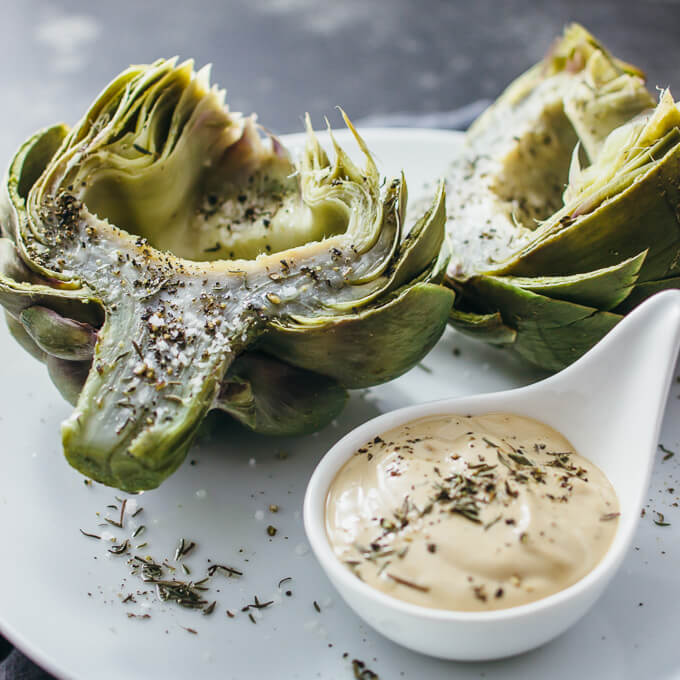
Slice in Half (Optional): For an elegant presentation and easier access to the choke, you can slice each artichoke in half lengthwise, right down the stem, using a sharp knife. Be gentle to avoid breaking off too many tender leaves.
3.
Remove the Choke: This is a crucial step! If you've sliced the artichoke in half, use a spoon to scoop out the fuzzy, needle-like center (the "choke") and any small, prickly purple leaves underneath it. The choke is inedible and must be completely removed. The delicious, solid artichoke heart lies beneath it.
4.
Arrange and Season: Place the artichoke halves (or whole artichokes) on serving plates. You can lightly brush the cut surfaces with olive oil, a squeeze of fresh lemon juice, and season with a sprinkle of salt, freshly cracked black pepper, and perhaps a dash of dried thyme or fresh parsley.
The Art of Eating an Artichoke
Eating an artichoke is a delightful, hands-on experience:
*
Leaf by Leaf: Starting from the outside, pluck off one leaf (bract) at a time.
*
Scrape the Meat: Dip the fleshy, un-prickly end of the leaf into your favorite dipping sauce. Then, place the base of the leaf between your teeth and scrape off the tender, edible flesh. Discard the remaining fibrous part of the leaf.
*
Work Your Way In: Continue this process, moving inward. The leaves will become more tender and meaty as you get closer to the center.
*
Reach the Heart: Once you've removed all the edible leaves, you'll be left with the fuzzy choke sitting atop the smooth, solid artichoke heart. If you haven't already, carefully scoop out and discard all of the choke.
*
Enjoy the Heart: The artichoke heart is the grand prize – rich, tender, and utterly delicious. It can be eaten whole or cut into pieces.
Dipping Sauce Perfection
No perfectly boiled artichoke is complete without a delicious dipping sauce. The reference context suggests a fantastic garlic-balsamic sauce, but here are a few other popular options:
*
Melted Butter: Classic, simple, and allows the artichoke's natural flavor to shine.
*
Lemon-Garlic Aioli: A creamy, zesty, and savory emulsion that complements the artichoke beautifully.
*
Mayonnaise with Lemon: A quick and easy mix for a tangy dip.
*
Hollandaise Sauce: For a more indulgent and luxurious pairing.
Experiment with different sauces to find your personal favorite, making each artichoke experience uniquely yours.
Conclusion
From its seemingly intimidating exterior to its exquisitely tender core, the artichoke is a true culinary treasure waiting to be discovered. By mastering the foolproof boiling method, you can effortlessly transform this nutritious vegetable into a rich, creamy, and undeniably delicious dish. Gone are the days of tough, dry artichokes or apprehension at the sight of those formidable leaves. With a few simple preparation steps and a reliable boiling technique, you're now equipped to enjoy the succulent hearts and flavorful leaf bases with confidence. So, the next time you spot these intriguing globes, don't hesitate. Embrace the adventure, and savor the reward of a perfectly boiled artichoke, a testament to how simple and satisfying cooking can truly be.