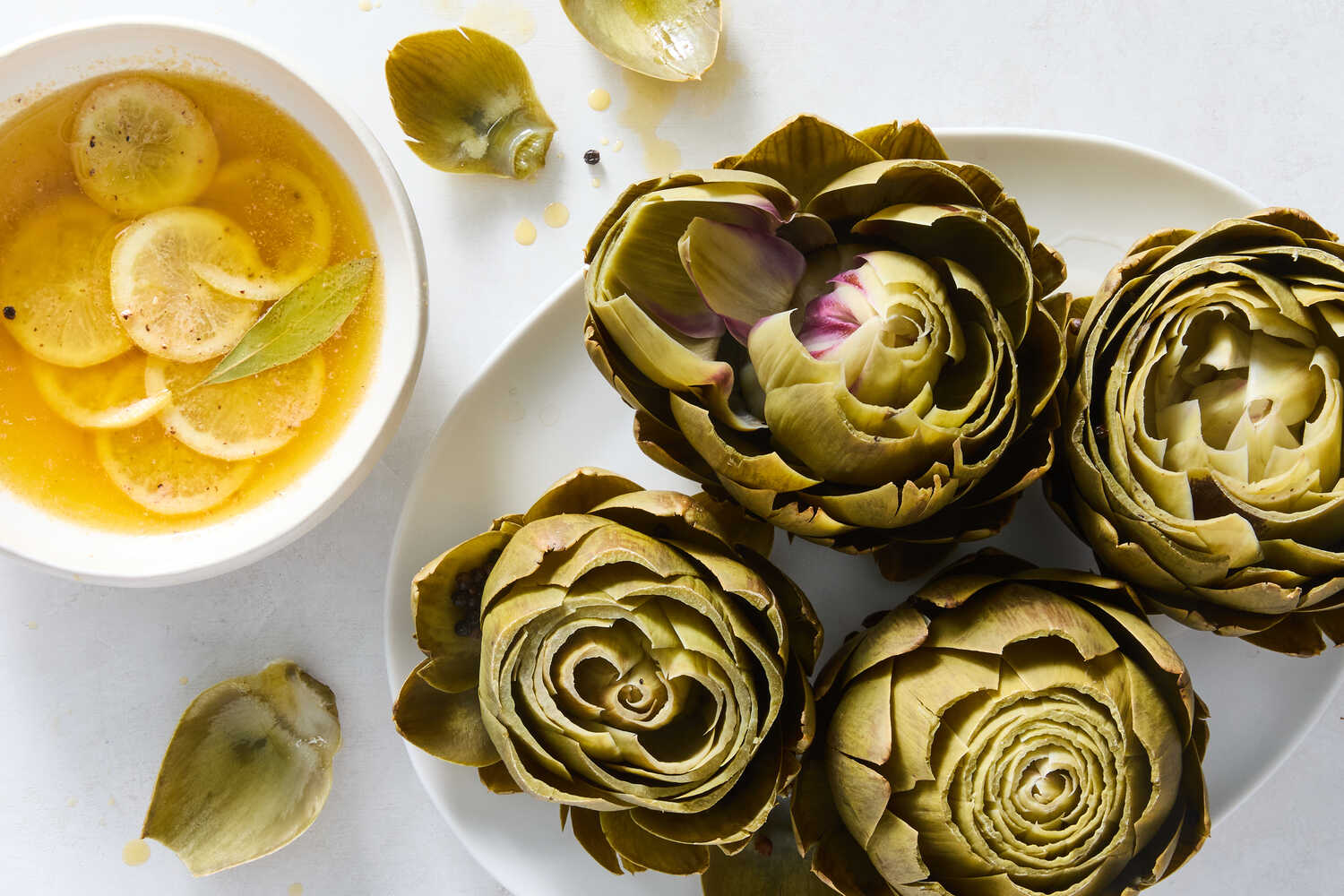
Demystify Artichokes: Your Simple Guide to Preparing & Eating
The majestic artichoke, with its formidable appearance and layered structure, often strikes home cooks as an intimidating challenge. Many stare at this "armored tank" of the vegetable world in the grocery aisle, wondering *how to cook artichoke* and if the effort is truly worth the reward. Let us assure you: the answer is a resounding yes! Artichokes are surprisingly rich, creamy, nutty, and incredibly delicious, not to mention packed with nutrients. This comprehensive guide will strip away the mystery, showing you step-by-step how to select, prepare, cook, and ultimately savor this extraordinary culinary gem. Forget the fear – we're about to unlock the tender heart of the artichoke for you.
Understanding Your Artichoke: A Culinary Gem
Before we dive into the kitchen, let's get acquainted with this unique vegetable. The artichoke is not just any vegetable; it's actually the immature flower bud of an edible thistle, formally known as the globe artichoke or French artichoke. If left unharvested, this intriguing bud would eventually blossom into a beautiful pink or purple flower. Artichokes thrive in Mediterranean-type climates, with California being the primary growing region in the United States.
While you might find artichokes in stores year-round, their peak seasons are from March to June and again from September to October. During these times, they are often at their freshest and most flavorful. Beyond their unique taste – a delightful blend of nutty, earthy, and almost buttery notes with a creamy texture – artichokes are also a nutritional powerhouse. They are loaded with fiber, antioxidants, and various vitamins and minerals, making them a fantastic addition to a healthy diet.
A globe artichoke has several parts, some edible and some not. Knowing your way around these components is key to a rewarding eating experience:
The Stem
The edibility of the stem largely depends on the artichoke's size. Smaller, younger artichokes often have tender, meaty stems that are quite enjoyable. However, the stems of larger, more mature artichokes tend to be fibrous and stringy. If you wish to eat the stem of a larger artichoke, a good tip is to peel the tougher outer layer with a vegetable peeler, revealing a softer, more palatable core.
Outer and Inner Bracts (Leaves)
These are the petals or leaves that form the bulk of the artichoke. Each leaf has a tough, often prickly, pointy top and a softer, fleshy base. It's the succulent "meat" at the base of each leaf that you'll scrape off and enjoy. The leaves become progressively more tender as you get closer to the center.
The Choke
Deep within the artichoke, once you get past the purple-tipped inner leaves, you'll find the "choke." This fuzzy, needle-like center is fibrous and inedible. It must be carefully scooped out and discarded before eating the heart.
The Heart
This is the ultimate prize, the delicious, tender, and most sought-after part of the artichoke. Once the choke is removed, the smooth, meaty base that remains is the artichoke heart. It's rich, creamy, and truly a culinary delight.
Selecting & Preparing Your Artichoke for Success
The journey to a perfectly cooked artichoke begins at the market. Choosing the right artichoke is crucial, as is the initial preparation.
Choosing the Best Artichokes
When selecting artichokes, look for ones that feel heavy for their size, indicating good moisture content. The leaves should be tightly closed and firm, with a vibrant green color – avoid those with dry, brittle, or widely splayed leaves. A good trick is to gently squeeze the artichoke; if it "squeaks," it's fresh! Also, check for any brown spots or bruising, which can indicate age or damage. Store fresh artichokes unwashed in the refrigerator, ideally in a plastic bag to maintain humidity, until you're ready to cook them.
Essential Preparation Steps
Preparing an artichoke might seem daunting initially, but it’s a straightforward process that makes all the difference in the final dish. These steps are vital before you learn
How to Cook Artichokes: Easy Boil & Steam for Perfect Results.
- Rinse Thoroughly: Start by rinsing the artichoke under cold running water to remove any dirt or debris.
- Snap Off Outer Leaves: Remove any small, tough, or errant leaves at the base of the stem.
- Trim the Top: Using a serrated knife, cut off the top third to half inch of the artichoke (the very top, inedible part of the leaves). This removes the sharp tips and creates a flatter surface.
- Snip Leaf Tips: With kitchen shears, snip off the prickly tips of the remaining outer leaves. This isn't strictly necessary for edibility but makes handling and eating much more pleasant.
- Trim the Stem: Cut off the very end of the stem, leaving at least an inch attached. If the stem is particularly long or thick, you can peel the outer layer with a vegetable peeler for a more tender result, especially if you plan to eat it. You can also rub the cut surfaces with a lemon wedge to prevent browning.
Mastering the Art of Cooking Artichokes: Boil vs. Steam
Once your artichokes are prepped, it's time to cook! The two most popular and effective methods are boiling and steaming, both yielding tender, delicious results. These methods are preferred over baking or roasting, which can sometimes dry out the artichoke heart.
Method 1: Boiling Artichokes for Tender Perfection
Boiling is often considered a foolproof method for achieving a consistently tender artichoke, particularly for the coveted heart. It’s easily accessible and requires no special equipment beyond a large pot. This approach is highlighted in
The Foolproof Method to Boil Artichokes for Perfectly Tender Hearts.
- Prepare the Pot: Choose a large pot big enough to comfortably hold your artichokes. Fill it with enough water so the artichokes will be mostly submerged and start to float once added.
- Add Seasoning (Optional but Recommended): For extra flavor, you can add a bay leaf, a lemon half, a clove of garlic, or a pinch of salt to the boiling water.
- Boil: Place the prepared artichokes in the pot. Bring the water to a rolling boil over high heat, then reduce the heat to maintain a medium, steady boil.
- Cook: Cover the pot and boil for 25-40 minutes. Cooking time will vary depending on the size of your artichokes.
- Check for Doneness: An artichoke is done when an outer leaf can be easily pulled off, and the base of the stem can be easily pierced with a fork.
- Drain: Carefully remove the artichokes from the pot using tongs and place them upside down on a rack or paper towels to drain excess water.
Method 2: Steaming Artichokes for a Delicate Finish
Steaming is another excellent method that helps retain more of the artichoke's nutrients and vibrant color, often resulting in a slightly firmer, yet still tender, texture compared to boiling.
- Prepare the Pot: Place a steamer basket in a large pot. Add about 1-2 inches of water to the pot, ensuring the water level is below the bottom of the steamer basket.
- Add Artichokes: Place the prepared artichokes upright in the steamer basket.
- Steam: Bring the water to a boil over high heat. Once boiling, reduce the heat to medium-low, cover the pot tightly, and steam for 25-45 minutes.
- Check for Doneness: Like boiling, an artichoke is done when an outer leaf can be easily pulled off, and the stem base is fork-tender.
- Serve: Carefully remove the artichokes from the steamer.
Savoring Your Artichoke: How to Eat It
Once your artichokes are cooked to tender perfection, it's time for the best part: eating them!
Post-Cooking Preparation
While you can serve an artichoke whole, many find it easier to eat if it's sliced in half lengthwise, down the stem. Handle them carefully to avoid breaking off the tender leaves. Once cut, you'll clearly see the fuzzy choke and any remaining purple-tipped inner leaves. Use a spoon to scoop out and discard the entire fuzzy choke and any small, prickly purple leaves directly above the heart.
The Eating Process
Eating an artichoke is a hands-on experience:
- The Leaves: Starting from the outside, pull off one leaf at a time. Dip the fleshy, soft end of the leaf into your desired sauce. Place the dipped end in your mouth and scrape off the tender, edible "meat" with your teeth, discarding the fibrous top part of the leaf. As you get closer to the center, the leaves will become smaller, more tender, and often entirely edible.
- The Heart: Once all the leaves and the choke are gone, you're left with the prize – the artichoke heart. This is entirely edible and can be cut into pieces or eaten whole. It's rich, buttery, and utterly delicious.
Dipping Sauces & Flavor Enhancers
Artichokes are wonderful on their own, but they truly shine when paired with a flavorful dipping sauce. Classic options include:
- Melted Butter: Simple, rich, and timeless. Add a squeeze of lemon or a dash of garlic powder for extra flair.
- Aioli or Mayonnaise: A creamy, garlicky aioli (or even a good quality mayo) is a perfect counterpoint to the artichoke's flavor.
- Garlic-Balsamic Dipping Sauce: A tangy, savory option.
- Lemon-Herb Vinaigrette: A lighter, brighter choice.
You can also enhance the flavor directly on the cooked artichoke by lightly brushing the cut surfaces with olive oil and seasoning with salt, pepper, and fresh herbs like thyme, as suggested in some recipes.
Conclusion
The artichoke, once a mystery, is now an open book. By understanding its anatomy, selecting the freshest specimens, performing a few simple preparation steps, and mastering either the boiling or steaming method, you can confidently transform this impressive vegetable into a tender, flavorful delight. There’s no need to be intimidated by its prickly exterior; the rewards of its creamy heart and succulent leaves are well worth the minimal effort. So, next time you encounter an artichoke at the market, don't hesitate. Embrace the adventure and discover just *how to cook artichoke* to perfection, bringing a touch of gourmet elegance to your table.