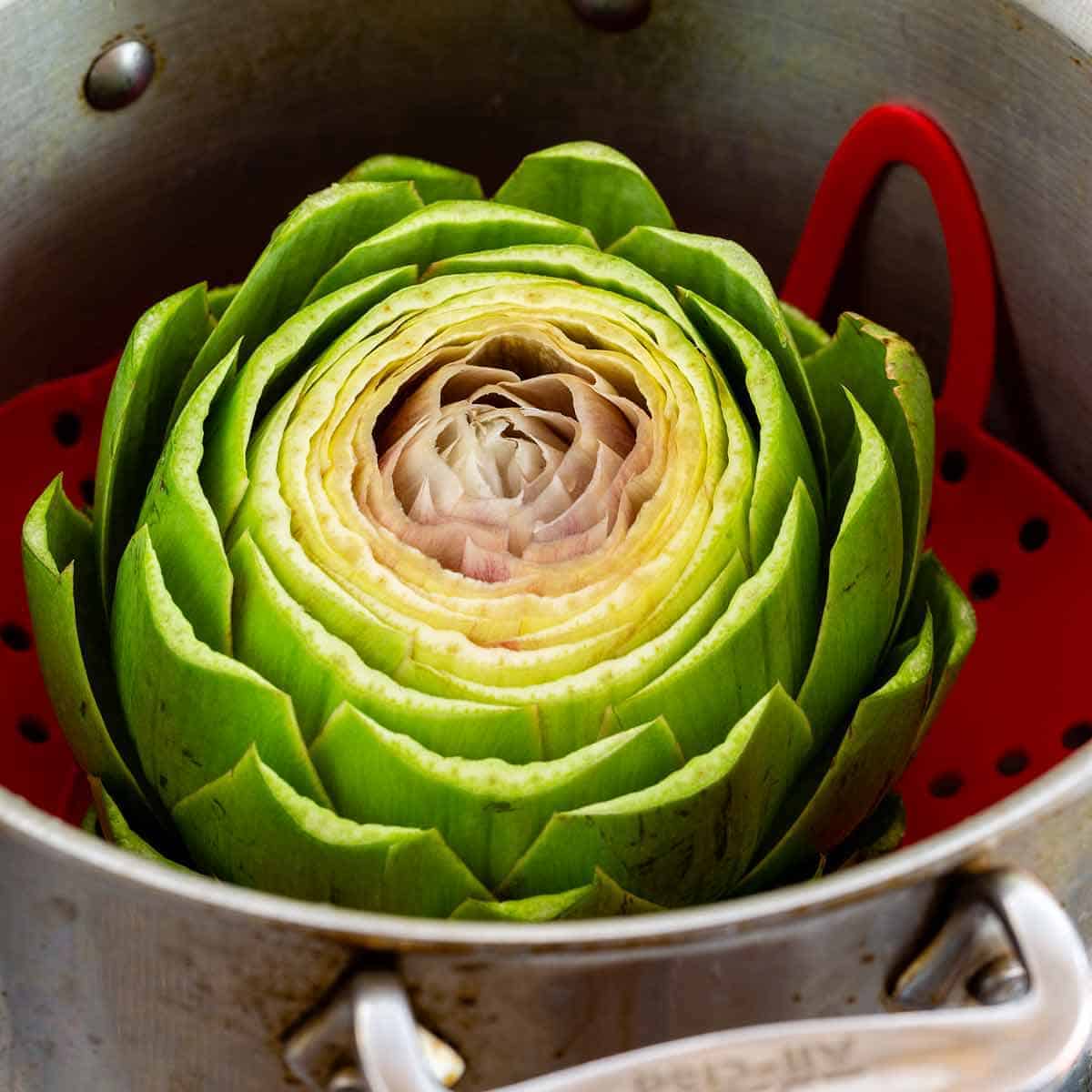
How to Cook Artichokes: Easy Boil & Steam for Perfect Results
The humble artichoke, with its formidable thorny exterior, often strikes fear into the hearts of home cooks. But don't let its "armored tank" appearance fool you! This seemingly daunting vegetable, with its slightly nutty, rich, and wonderfully creamy flavor, is surprisingly easy to prepare, cook, and eat. Whether you're a seasoned chef or a kitchen novice, learning
how to cook artichoke to tender perfection is simpler than you think. This comprehensive guide will demystify the process, revealing two foolproof stovetop methods – boiling and steaming – ensuring you achieve delicious results every time. Get ready to transform this nutritious thistle into a culinary delight.
Understanding Your Artichoke: From Market to Prep
Before we dive into cooking, it's essential to select and prepare your artichokes properly. These unique vegetables are the immature flower buds of an edible thistle, known formally as globe or French artichokes. Predominantly grown in Mediterranean climates and extensively in California, they are available year-round but hit their peak seasons from March to June and again from September to October. During these times, you'll find them at their freshest and most flavorful.
Choosing the Best Artichokes
When picking artichokes at the grocery store or farmer's market, look for these indicators of freshness:
- Heavy for their size: This indicates good water content.
- Tight, compact leaves: Avoid those with splayed or open leaves, which suggest age.
- Healthy green color: Some slight browning on the outer leaves is normal, but avoid excessive discoloration.
- A "squeak": Gently squeeze the artichoke; a fresh one will often emit a slight squeaky sound.
Essential Artichoke Preparation Steps
Proper preparation is key to a pleasant eating experience. Here's a step-by-step guide to readying your artichokes for cooking:
- Rinse Thoroughly: Wash the artichokes under cold running water to remove any dirt or debris.
- Snap Off Outer Leaves: Remove any small, tough, or discolored outer leaves near the stem. These are usually too fibrous to be enjoyable.
- Trim the Top: Using a serrated knife, slice about 1/2 to 1 inch off the top of the artichoke (the pointy end). This removes the prickly tips of many leaves.
- Snip Leaf Tips: With kitchen shears, snip off the thorny tips of the remaining outer leaves. This makes them much easier and safer to handle.
- Trim the Stem: Cut off the very bottom of the stem. The stem of smaller artichokes can be edible and quite tender, with a meaty texture. For larger, more fibrous stems, you might want to peel the tougher outer layer with a vegetable peeler, leaving the softer core. Leaving at least 1 inch of the stem attached can actually help the artichoke cook more evenly.
- Prevent Browning (Optional): Artichokes, like apples, can oxidize and brown when cut. To prevent this, rub cut surfaces with a lemon half or drop them into a bowl of water acidified with lemon juice until you're ready to cook.
For a more detailed visual guide on preparing and enjoying this unique vegetable, explore our article on
Demystify Artichokes: Your Simple Guide to Preparing & Eating.
Method 1: How to Cook Artichoke by Boiling for Ultimate Tenderness
Boiling is a classic and incredibly effective method for cooking artichokes. It consistently yields a tender heart and soft, succulent leaf bases, making it a foolproof choice for those learning
how to cook artichoke. The consistent moisture ensures they don't dry out, unlike some baking or roasting methods.
Step-by-Step Boiling Instructions:
- Prepare Your Pot: Choose a large pot, spacious enough to hold your artichokes comfortably with room for water.
- Add Artichokes and Water: Place the prepared artichokes in the pot. Add enough cold water to just cover them, or until they begin to float. You can also add aromatics like lemon halves, garlic cloves, bay leaves, or a pinch of salt to the water to infuse flavor.
- Bring to a Boil: Cover the pot with a lid and bring the water to a rolling boil over high heat.
- Simmer to Tenderness: Once boiling, reduce the heat to maintain a medium, steady boil. Continue to cook, covered, for 25-45 minutes. The exact time will depend on the size of your artichokes; smaller ones may be done sooner, larger ones will take longer.
- Check for Doneness: An artichoke is perfectly cooked when an outer leaf can be easily pulled off, and the base of that leaf is tender. You can also pierce the bottom of the artichoke with a knife; if it slides in easily, it's ready.
- Drain and Cool: Carefully remove the artichokes from the pot using tongs. Invert them on a cooling rack or clean towel to drain any excess water. Let them cool slightly before serving.
For more expert tips on achieving that perfectly tender core, don't miss our detailed guide:
The Foolproof Method to Boil Artichokes for Perfectly Tender Hearts.
Method 2: Steaming Artichokes for a Lighter Touch
Steaming is another fantastic way to
cook artichokes, often preferred by those who find boiling can sometimes waterlog the vegetable slightly. This method helps retain more of the artichoke's natural flavor and nutrients, resulting in a slightly firmer yet still tender texture.
Step-by-Step Steaming Instructions:
- Prepare Your Steamer: Place a steamer basket in a large pot. Add about 1-2 inches of water to the pot, ensuring the water level is below the bottom of the steamer basket. (Optional: Add lemon slices, garlic, or herbs to the water for added aroma).
- Arrange Artichokes: Place the prepared artichokes upright in the steamer basket. Make sure they are not submerged in the water.
- Bring to a Boil: Cover the pot tightly with a lid and bring the water to a boil over high heat.
- Steam Until Tender: Once the water is boiling, reduce the heat to medium-high and continue to steam for 25-45 minutes, depending on the size of your artichokes. Keep the lid on to trap the steam effectively.
- Check for Doneness: Similar to boiling, an artichoke is done when an outer leaf can be easily pulled off and the base is tender, and the bottom can be pierced easily with a knife.
- Serve: Carefully remove the steamed artichokes from the pot. They are now ready to be enjoyed!
Steaming is often considered a healthier option as it minimizes nutrient loss into the cooking water, preserving more of the artichoke's beneficial compounds like antioxidants and fiber.
Serving and Savoring Your Perfectly Cooked Artichoke
Once your artichokes are cooked to perfection, the real fun begins – eating them! While it may seem complicated at first, savoring an artichoke is a delightful experience.
How to Eat an Artichoke:
- Peel and Scrape: Start by pulling off the outer leaves, one at a time. Dip the meaty base of the leaf into your favorite sauce. Then, gently scrape the soft, fleshy part off with your teeth. Discard the fibrous, prickly tip.
- Progress Inward: As you work your way towards the center, the leaves will become smaller, paler, and more tender, often fully edible.
- Reach the Choke: Eventually, you'll reach a layer of thin, purple-tinged leaves and a fuzzy, inedible "choke" covering the heart. Use a spoon to carefully scoop out and discard this fuzzy layer and the small purple leaves.
- Enjoy the Heart: What remains is the prized artichoke heart – the most tender and delicious part! Cut it into pieces if desired and enjoy.
Dipping Sauce Ideas:
Artichokes are wonderful on their own, but they truly shine when paired with a flavorful dipping sauce. Here are a few popular options:
- Melted Butter: A classic for a reason! Enhance it with a squeeze of lemon juice or minced garlic.
- Mayonnaise-Based Sauces: Mix mayonnaise with lemon juice, garlic, Dijon mustard, or fresh herbs (like dill or chives).
- Vinaigrettes: A simple garlic-balsamic vinaigrette provides a tangy contrast to the artichoke's creamy texture.
- Aioli: A rich garlic mayonnaise is always a hit.
- Olive Oil & Lemon: A light and healthy option, drizzled with a pinch of salt and pepper.
Conclusion
Don't let the artichoke's tough exterior intimidate you any longer! Learning
how to cook artichoke using simple boiling or steaming methods opens up a world of rich, nutty, and incredibly satisfying flavors. From preparing the thorny bud to savoring the tender heart, each step is straightforward and rewarding. Artichokes are not only delicious but also packed with nutrients, making them a fantastic addition to any meal as an appetizer or side dish. So next time you spot these intriguing vegetables at the market, pick them up with confidence and get ready to enjoy a truly delightful culinary experience.